
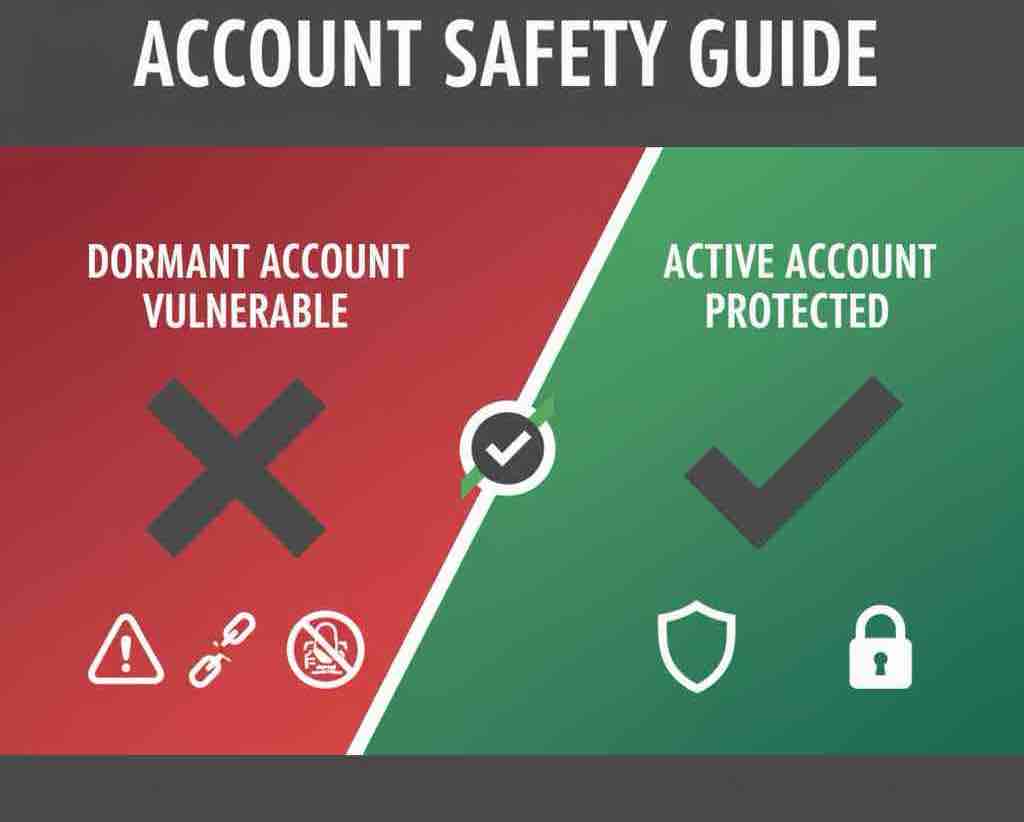
Did you know that Indian banks are holding over ₹67,270 crore in unclaimed deposits? These forgotten accounts aren’t just sitting idle—they’re ticking time bombs for fraud, financial penalties, and potential loss of access to your hard-earned money. If you’ve got a bank account you haven’t touched in months or even years, it’s time to take action. Here’s everything you need to know about dormant bank accounts, why they matter, and what you can do right now to protect yourself.
What Makes an Account Dormant?
There’s a critical difference between inactive and dormant accounts that every account holder should understand. According to RBI guidelines, if you haven’t made any customer-initiated transaction for over 12 months, your account is considered inactive. Once that inactivity stretches beyond two years, the account officially becomes dormant.
Here’s what counts: only transactions you initiate matter. Your salary credit, pension deposit, or bank-generated interest don’t prevent dormancy. You need to actively use your account through withdrawals, deposits, fund transfers, or even UPI payments to keep it functioning normally.
The Hidden Dangers of Dormant Accounts
Fraud and Identity Theft
Dormant accounts are prime targets for fraudsters, and here’s why—you’re not watching them. Internal bank employees with access to inactive accounts could potentially misuse them for unauthorized transactions. Even worse, these accounts often serve as “mule accounts” in money laundering schemes, where money gets moved in and immediately withdrawn to obscure transaction trails.
Cybercriminals specifically target dormant accounts through phishing scams because they know you’re less likely to notice suspicious activity quickly. By the time you discover the fraud, significant damage may already be done.
Financial Penalties That Add Up
While the RBI has prohibited banks from imposing penalties for reactivating dormant accounts, you’re not entirely off the hook. Many banks charge maintenance fees on inactive accounts, and these can quietly drain your balance over time. Once your account becomes dormant, you’ll also lose access to services like requesting new debit cards, making online transactions, or even updating your address and nominee details.
The 10-Year Unclaimed Deposit Rule
Here’s where things get serious: if your account remains inoperative for 10 years or more, banks are required to transfer the balance to the Depositor Education and Awareness (DEA) Fund maintained by the RBI. While you can still claim this money later through the UDGAM portal, the process is cumbersome, and your deposits earn minimal interest during this period.
As of recent RBI directives, banks must actively work to return dormant funds, but many account holders remain unaware of their unclaimed deposits, especially those who’ve migrated, changed residences, or passed away without clear nominee details.
How Your Account Becomes Dormant
The progression happens gradually: active → inactive (12 months) → dormant (24 months) → unclaimed (10 years). Banks are required to notify customers three months before classifying an account as dormant and conduct annual reviews of all savings and current accounts.
Why does this happen? Life changes are the biggest culprit. You might open an account for a specific job, then switch employers and forget about the old one. Students often open accounts near their colleges and abandon them after graduation. Relocation to different cities or countries frequently leaves accounts behind, untouched and vulnerable.
Practical Strategies to Keep Your Account Active
Make Regular Transactions
You don’t need large transactions to keep your account active—any customer-initiated activity works. Set a monthly reminder to make at least one transaction: withdraw cash from an ATM, transfer ₹100 to another account, or pay a utility bill online. Even small UPI payments count as valid transactions that prevent dormancy.
Set Up Automated Services
The smartest way to maintain account activity is through automation. Link your account to recurring services like SIP investments, insurance premiums, or streaming subscriptions. Set up standing instructions for monthly transfers between your accounts. These automated payments ensure continuous activity without requiring you to remember.
Monitor Your Accounts Monthly
Don’t just transact—watch your accounts actively. Review your bank statements every month, even for accounts you rarely use. Check your login history for any unauthorized access attempts. Enable SMS and email alerts for every transaction, no matter how small. This monitoring not only keeps you aware but helps you catch fraud early.
Keep Your KYC Updated
Banks now offer greater flexibility for KYC updates—you can do it at any branch, not just your home branch, or even through Video-based Customer Identification Process (V-CIP). Make sure your mobile number, email address, and residential address are current. Updated contact information ensures you receive dormancy warnings and security alerts.
How to Reactivate a Dormant Account
If your account has already gone dormant, don’t panic—reactivation is straightforward and free of charge. Here’s the step-by-step process:
Visit your nearest bank branch (most banks now allow reactivation at any branch, not just where you opened the account). Submit a written reactivation request signed by all joint account holders if applicable. Provide fresh KYC documents including your Aadhaar card, PAN card, a recent passport-size photograph, and current address proof.
You’ll need to make a verification transaction—usually a small deposit or withdrawal. The bank will update your specimen signature if it’s changed. Most banks complete the reactivation within 24-48 hours of document submission.
Important: Once reactivated, your account will be monitored closely for at least six months to detect any suspicious activity, so ensure all your transactions during this period are legitimate.
When Closing Makes More Sense
Sometimes the best solution isn’t reactivation—it’s closure. If you’re maintaining multiple redundant accounts, paying unnecessary fees, or simply don’t need the account anymore, closing it is the responsible choice.
The closure process is simple: contact your bank through any branch, phone banking, or online channels. Withdraw your remaining balance and return all unused cheque books, debit cards, and other banking materials. Request written confirmation of account closure for your records. This proactive approach prevents future dormancy issues and simplifies your financial life.
Starting January 1, 2025, RBI guidelines have made it easier for banks to close dormant, inactive, and zero-balance accounts to prevent misuse and enhance security. Don’t wait for the bank to act—take control yourself.
Protecting Dormant Accounts from Fraud
Even if you’re in the process of reactivating or closing a dormant account, implement these security measures immediately: never share your account credentials, passwords, or OTPs with anyone. Enable multi-factor authentication wherever available. Respond to bank alerts and notifications immediately, even if you think they’re routine. Monitor your credit report regularly for any accounts or loans opened fraudulently in your name.
If you suspect fraud, contact your bank’s fraud department immediately, file a formal complaint, and consider placing a fraud alert on your credit file. The faster you act, the better your chances of minimizing damage.
Building Better Financial Habits
Long-term account management requires discipline and awareness. Conduct an annual audit of all your bank accounts—note which ones you’re actually using and which have become dormant. Maintain both digital and physical records of your accounts, including account numbers, branch details, and customer IDs. Update nomination details regularly so your family can access funds if needed. Share information about all your accounts with a trusted family member in case of emergencies.
Financial literacy isn’t just about investing—it’s about maintaining what you already have. Educate yourself on RBI guidelines, understand your bank’s policies, and stay informed about regulatory changes that affect your accounts.
Take Action Today
Don’t let your hard-earned money sit vulnerable in a dormant account. Log into your online banking right now and check all your accounts. Make a transaction on any account that hasn’t seen activity in the past few months. If you find accounts you no longer need, start the closure process. For accounts you want to keep, set up automated transactions or monthly reminders.
Your dormant bank account won’t fix itself, and ignoring it only increases your risk. Whether you choose to reactivate or close unused accounts, taking action today protects your financial security tomorrow. Don’t become another statistic in India’s ₹67,000 crore unclaimed deposits—stay active, stay secure, and stay informed.
- The 2026 Nationwide 3 Days Bank Strike: Why India’s Banking Backbone is Breaking
 Discover the root causes of the 2026 nationwide bank strike. Explore the struggle for 5-day banking, fair incentives, and why a Uniform Banking Standard is urgently needed to protect the dignity and job security of all bank employees.
 - UPI MDR 2026: Is UPI Still Free? Here’s the Real Answer
 A simple guide to the new UPI MDR rules effective October 15, 2026 — who pays the 0.4% merchant charge, who doesn’t, and why UPI stays free for customers.
 - Sole Proprietorship in India: Do You Need Registration? Documents & Benefits Explained
 Learn how to start a sole proprietorship firm in India, understand registration requirements, benefits, GST and Udyam registration, and discover the essential documents needed to open a business bank account. A simple beginner’s guide to launching your business confidently and correctly.
 - What is HUF? The Ancient Rule Letting Modern Families Unlock Double Tax Benefits
 Want to legally save on income tax? Discover how a Hindu Undivided Family (HUF) protects wealth and maximizes tax benefits. Explore our complete guide on HUF eligibility, the 2005 amendment, and step-by-step instructions to open an HUF bank account.
 - Exposed by RTI: Banks Recover 74% from Small Borrowers, Just 14% from Giants
 Shocking RTI data reveals a massive banking divide: banks recover 74% of bad loans from small borrowers but only 14.5% from corporate giants. Discover why ordinary citizens face harsh recovery agents while large defaulters enjoy massive loan write-offs.
Your article helped me a lot, is there any more related content? Thanks! https://bankermoney.com
Thanks for your feedback! Please subscribe my channel for more such contents and share it with your friends and family.
Thanks for sharing. I read many of your blog posts, cool, your blog is very good.
Thanks for your feedback! Please subscribe my channel for more such contents and share it with your friends and family.
Pingback: Paying Multiple EMIs? This One Move Could Save You Up to ₹4 Lakhs in Interest