

September 2025 has brought significant changes to India’s credit card landscape that millions of cardholders need to understand immediately. These rule modifications implemented by major banks including SBI, HDFC and other leading institutions.It directly impacts how you earn and accumulate reward points on your daily transactions. Let’s dive deep into what’s changed and how it affects your financial planning.
Major SBI Credit Card Reward Changes – What You Need to Know
State Bank of India has implemented sweeping changes to its reward program starting September 1, 2025, affecting three specific card variants. The affected cards include the Lifestyle Home Centre SBI Card, Lifestyle Home Centre SBI Card SELECT and Lifestyle Home Centre SBI Card PRIME.
Transactions No Longer Earning Rewards
Starting September 1, 2025, cardholders of these specific SBI cards will no longer earn reward points on the following categories:
Digital Gaming Platforms: This includes online gaming credits, app-based in-game purchases and transactions on platforms like Dream11, Rummy Culture and other skill-based gaming websites.
Government-Related Transactions: Payments made through government portals, tax payments, utility bills paid via government websites and other official government services will not accumulate reward points.
Select Merchant Transactions: Certain merchant category codes have been excluded from the rewards program, though SBI hasn’t provided an exhaustive list.

Understanding the Financial Impact
For frequent users of these categories, this change represents a significant reduction in reward accumulation. Previously, cardholders could earn standard reward points on these transactions, but the new policy eliminates this benefit entirely. Industry experts suggest this move aligns with broader profitability concerns as digital gaming and government transactions typically generate lower Merchant Discount Rates for banks.
Credit Card Protection Plan Updates
Beyond reward changes, SBI is also updating its Credit Card Protection Plan (CPP) starting September 16, 2025. All existing CPP customers will be automatically migrated to updated plan variants during their policy renewal period. The bank will notify customers 24 hours before this transition via SMS and email.
HDFC Bank’s July Changes Still Impacting September Users
While SBI’s changes dominate September headlines, it’s crucial to remember that HDFC Bank implemented similar restrictions in July 2025 that continue affecting cardholders. These changes include:
Transaction Fee Structure
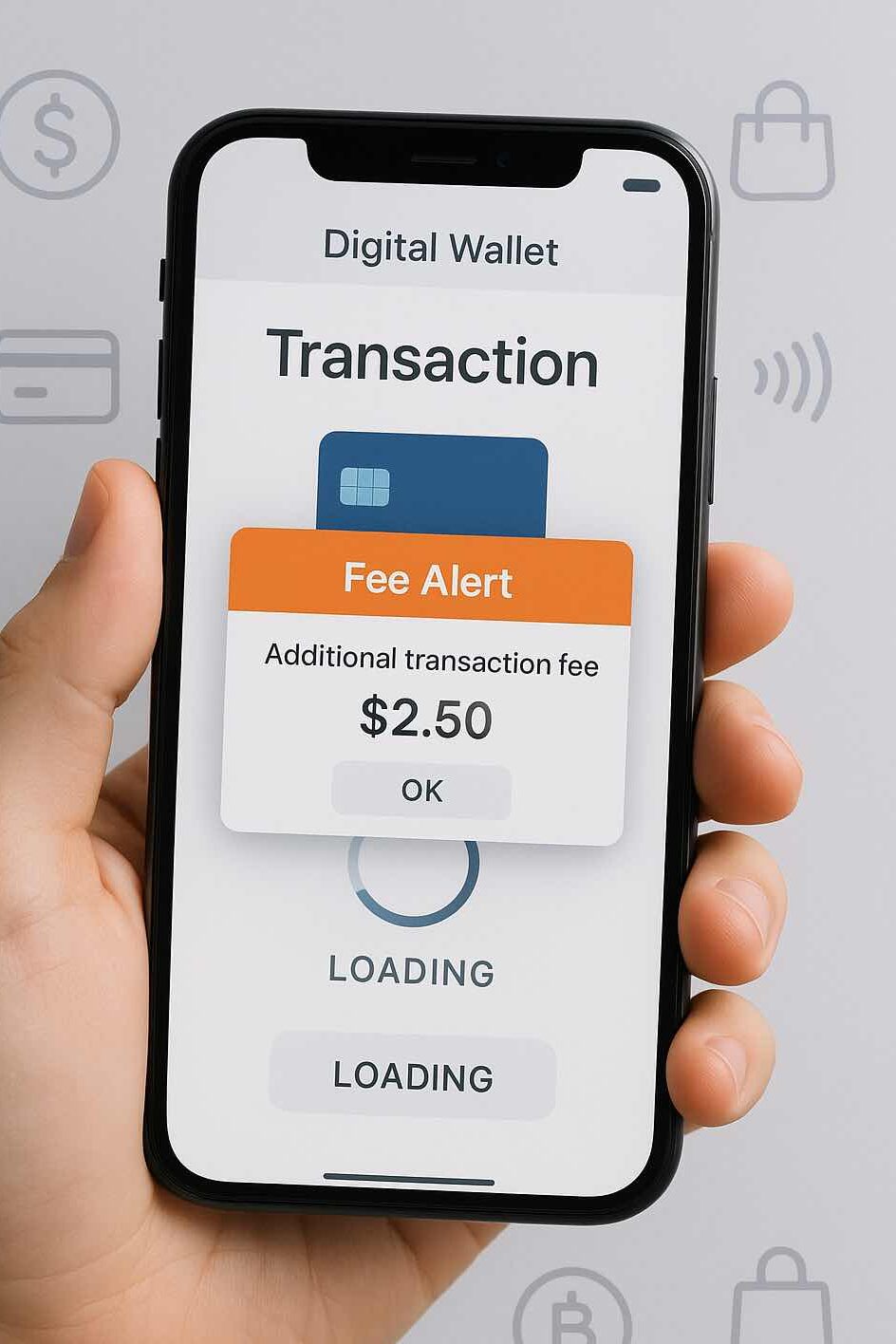
HDFC introduced a 1% transaction fee capped at ₹4,999 per month for several categories:
- Online Skill-Based Gaming: Transactions exceeding ₹10,000 per month
- Digital Wallet Loading: Loading more than ₹10,000 into wallets like PayTM, MobiKwik
- Utility Bill Payments: Exceeding ₹50,000 per month for consumer cards and ₹75,000 for business cards
Reward Point Limitations
HDFC has also implemented monthly reward point caps on insurance transactions:
- Infinia Card: 10,000 points per month
- Diners Black Card: 5,000 points per month
- Other HDFC Cards: 2,000 points per month
- Marriott Bonvoy Card: Exempt from caps
Industry-Wide Trends Behind These Changes
Profitability-Driven Decisions
Banks are strategically excluding low-margin transaction categories from reward programs. Digital gaming platforms and government portals typically offer lower interchange fees which makes reward distribution financially challenging for card issuers.
Regulatory Alignment
These changes also reflect compliance with evolving RBI guidelines that emphasize responsible lending and transparent fee structures. The Reserve Bank of India has been pushing for greater clarity in credit card operations including reward program modifications.
Consumer Behavior Adaptation
Banks are responding to changing spending patterns particularly the surge in digital transactions and gaming-related expenditure during and after the pandemic. By excluding these categories, banks aim to redirect rewards toward traditional retail and travel spending.
What Cardholders Should Do Right Now
Immediate Action Items
Review Your Spending Patterns: Analyze your last three months of credit card statements to identify how much you spend on affected categories.
Redeem Existing Points: Consider redeeming accumulated reward points before any further policy changes as terms can evolve rapidly.
Explore Alternative Cards: If you frequently transact in excluded categories, research credit cards from other banks that still offer rewards on these transactions.
Strategic Recommendations
Diversify Your Card Portfolio: Don’t rely on a single credit card for all transactions. Consider maintaining cards from different banks to maximize rewards across various categories.
Monitor Monthly Limits: For HDFC cardholders, track your monthly spending in fee-applicable categories to avoid unexpected charges.
Stay Updated on Policy Changes: Banks regularly update their terms and conditions. Subscribe to official notifications and check bank websites monthly for updates.
Impact on Different User Categories
Heavy Gaming Spenders
Users who frequently spend on online gaming platforms through SBI cards will see the most significant impact. These transactions which previously earned standard reward rates are now provide zero points.
Government Payment Users
Individuals who pay taxes, utility bills or other government fees through affected SBI cards will notice reduced reward accumulation. Consider using alternative payment methods or cards for these transactions.
Digital Wallet Heavy Users
HDFC cardholders who frequently load digital wallets should be particularly cautious about the 1% fee structure implemented in July which continues to impact September spending.
Future Outlook and Predictions
More Banks May Follow
Industry analysts predict that other major banks like ICICI, Axis and Kotak Mahindra may implement similar restrictions in the coming months. The trend toward excluding low-margin categories from reward programs appears to be gaining momentum across the industry.
Enhanced Scrutiny on High-Value Categories
Banks are likely to introduce more sophisticated monitoring systems for high-reward categories like travel and dining to prevent misuse while maintaining attractive benefits for genuine transactions.
Technology-Driven Solutions
Expect banks to leverage artificial intelligence and machine learning to better categorize transactions and implement dynamic reward structures based on real-time profitability analysis.
Maximizing Rewards Under New Rules
Category-Specific Card Usage
Travel and Dining: Continue using premium cards like HDFC Infinia or SBI Elite for travel-related expenses as these categories remain highly rewarded.
Online Shopping: E-commerce transactions through platforms like Amazon and Flipkart generally remain unrestricted across most card programs.
Fuel Expenses: Most banks continue offering reward points on fuel transactions, though some have introduced minimum transaction thresholds.
Timing Your Transactions
Monthly Cycle Management: For HDFC cards, consider spreading high-value utility payments across multiple months to avoid crossing fee thresholds.
Bill Payment Optimization: Use bank-specific platforms or direct merchant websites instead of third-party payment aggregators when possible.
Alternative Reward Strategies
Cashback Cards
Consider switching to cashback credit cards that offer straight forward percentage returns without complex category restrictions. Cards like the IDFC First Wow Credit Card or Amazon Pay ICICI Bank Credit Card provide simpler reward structures.
Co-branded Cards
Explore co-branded credit cards aligned with your spending habits. Airlines, retail chains and fuel company cards often provide targeted rewards that remain unaffected by general banking policy changes.
Digital Payment Apps
Leverage digital payment platforms that offer their own reward systems independent of credit card programs. However, be mindful of transaction fees when using credit cards to fund these platforms.
The Bigger Picture: Credit Card Evolution in India
Market Maturation
These changes signal the maturation of India’s credit card market. As the industry grows beyond ₹25 lakh crore in annual transaction volume, banks are focusing on sustainable profitability rather than pure customer acquisition.
Enhanced Consumer Protection
Newer RBI guidelines emphasize transparent fee disclosure and customer consent for all credit card features. While reward restrictions may seem negative, they’re part of a broader framework ensuring long-term industry stability.
Technology Integration
The integration of UPI with credit cards and the rise of virtual credit cards represent the future of Indian digital payments. These innovations may eventually provide new reward mechanisms independent of traditional merchant categories.
Conclusion: Adapting to the New Reality
The September 2025 credit card rule changes mark a pivotal moment in Indian banking. While SBI’s restrictions on gaming and government transaction rewards may disappoint some users as these modifications reflect the industry’s evolution toward sustainable business models.
Smart cardholders will adapt by diversifying their credit portfolios, staying informed about policy updates and strategically using different cards for different transaction types. The key is understanding that credit card rewards are evolving benefits, not guaranteed entitlements.
As we move forward, expect more changes across the industry. The banks that successfully balance customer satisfaction with business sustainability will emerge as leaders in India’s dynamic credit card market. Your best defense as a consumer is staying informed, regularly reviewing your spending patterns and choosing financial products that align with your actual usage rather than theoretical benefits.
Remember, while these changes may reduce some reward opportunities, India’s credit card market remains competitive. Banks still need to attract and retain customers by ensuring that valuable rewards and benefits will continue – just in different and more sustainable formats.
- HDFC Bank Q3 Surprise: Profit Jumps 11.5% – Why Experts Call It a ‘Screaming Buy’ at ₹930
 HDFC Bank’s Q3 FY26 results shine: 11.5% profit surge to ₹18,653 Cr, GNPA at 1.24%, deposits up 11.5%. Beats estimates amid deposit wars—strong buy for 2026? Stock eyes ₹1,000 breakout.
 - Withdraw PF Money in Seconds? EPFO’s New UPI Update is the Game-Changer
 Discover EPFO UPI withdrawal: Instant PF access in minutes via PhonePe or Google Pay. Step-by-step guide, eligibility, benefits, and tax rules for 2026. Skip delays—empower your savings today!
 - The Truth Behind the “TCS Employee Salary Drop”: Viral News, Variable Pay and What It Means for You
 Discover the real reasons behind the viral TCS employee salary drop. From variable pay cuts to strict WFO mandates and performance bands, learn why IT take-home pay is shrinking and how to protect your earnings effectively.
 - Stop! Don’t “Liquidate” Your ₹500 Notes Yet: What the New RBI Circular Actually Says
 GOI debunks viral ₹500 note discontinuation rumor. Fake news claimed RBI would ban notes by March 2026. Official clarification: ₹500 notes remain legal tender, ATMs continue dispensing them. Learn how to spot fake currency news and verify financial information.
 - Cheques are Making a Huge Comeback in India—and They’re Now as Fast as UPI!
 India’s real-time cheque clearing system launched October 2025, processing cheques in hours instead of days. While Phase 2 was postponed, Phase 1 delivers same-day clearing with auto-approval features. Learn how continuous clearing speeds up banking for businesses and freelancers.
Pingback: Debt Consolidation Strategy: Merge Multiple EMIs Into One
Pingback: No-Spend Days: Save ₹50,000 Yearly | No-Shop Weekend Guide