

In recent years, banking fraud has surged by over 60%, with the average consumer losing ₹15,000 per incident. When Ayesha received an urgent “OTP verification” SMS and shared her code, she lost access to her account within minutes. This cautionary tale highlights why banking fraud prevention is no longer optional—it’s vital.
Common Fraud Schemes Explained
Phishing Emails and SMS
Fraudsters impersonate banks via emails or texts, urging you to click malicious links to “verify” account details.
- How it works: You receive a realistic-looking message with urgent language.
- Red flag: Links to non-bank URLs or misspelled domain names.
Vishing (Voice Phishing)
Scammers call, posing as bank officials, claiming issues like unauthorized transactions.
- How it works: They pressure you to disclose PINs or OTPs over the phone.
- Red flag: Requests for sensitive data when the bank should already have it.
SIM Swap Attacks
Criminals trick telecom providers to assign your mobile number to a new SIM, intercepting OTPs.
- How it works: Using stolen personal details, they convince agents to port your number.
- Red flag: Sudden loss of mobile service without explanation.
ATM Skimming
Tiny devices on ATMs capture card data and PINs.
- How it works: After you insert your card, the skimmer reads the magnetic strip and the camera records your PIN.
- Red flag: Loose card reader, hidden cameras, or extra wires around the keypad.
Practical Detection Tips
- Verify Sender Details: Hover over email links; confirm official bank domains.
- Monitor Transaction Alerts: Enable real-time SMS or email notifications for every debit or credit.
- Check Mobile Service: Report immediately if your phone loses network without cause.
- Inspect ATMs: Use machines inside bank branches, cover the keypad, and look for suspicious attachments.
Step-by-Step Prevention Strategies
- Enable Two-Factor Authentication (2FA)
Activate 2FA in your banking app and email. This adds a second verification layer beyond passwords. - Use Tokenized Payment Methods
Opt for UPI collect requests or dynamic QR codes instead of sharing card details directly. - Keep Devices Secured
Install reputable antivirus software, update your operating system, and avoid public Wi-Fi when banking. - Register Mobile Number with Bank
Link only your personal number; set a unique PIN with your telecom provider to prevent SIM swaps. - Educate Yourself Continuously
Subscribe to bank newsletters on security updates; follow “banking fraud prevention” resources.
Real-World Example
When Ravi noticed a suspicious email claiming his account was “locked,” he immediately logged into his official banking app instead of clicking the link. By verifying his login status directly, he avoided a phishing trap—a simple move that thwarted a potential loss.
Quick Checklist for Banking Fraud Prevention
- Verify sender email or SMS origin before clicking links
- Enable transaction alerts for every account activity
- Use two-factor authentication on all financial platforms
- Secure your mobile with PINs, biometrics, and avoid SIM swap risks
- Prefer tokenized payments like UPI or dynamic QR codes
- Inspect ATMs for skimmers and cover your PIN entry
- Update device software and run antivirus scans regularly
- Report any unusual calls or emails to your bank immediately
How to Report Bank Fraud
- Contact your bank’s 24×7 fraud helpline without delay.
- Visit your branch to file a written complaint with transaction details.
- Lodge a cybercrime complaint at the National Cyber Crime Reporting Portal.
- Follow up regularly until the incident is resolved.
By mastering these detection and prevention tactics—detect phishing scams, secure mobile banking, and report bank fraud—you can safeguard your finances against evolving threats. Staying informed and vigilant turns you from a potential victim into a resilient, fraud-proof consumer.
- Is Your Credit Card Quietly Killing Your Score? The 30% Factor Lenders Watch Closely
 Credit utilization ratio can quietly make or break your CIBIL score. Keeping card usage below 30% signals control, not desperation. With simple moves—mid‑cycle payments, spreading spends, and requesting higher limits—you can boost approval odds and pay less interest overall today.
 - Need a Loan? Use These 7 No-Gimmick Tactics to Fix Your CIBIL Score in Just 30 Days
 Boost your CIBIL score by 50+ points in just 30 days with proven tactics. Master payment history, reduce credit utilization, and dispute errors to unlock better loan approvals and lower interest rates. No gimmicks—just real strategies that work.
 - Union Bank, BOI, and IOB: The Next Mega-Merger Wave is Coming. Here’s How Your Savings & Account Details Will Change
 India’s public sector banking faces a transformative merger wave. Finance Minister Sitharaman confirmed talks with RBI on consolidating 12 banks into six to seven globally competitive institutions. Expected announcements in April-May 2026 will reshape banking operations, employee roles, and customer services fundamentally.
 - Don’t Panic: Why Your Bank’s Website Address Just Changed (and How to Tell if It’s Real)
 The Reserve Bank of India mandated all Indian banks migrate to the exclusive .bank.in domain by October 31, 2025, to combat rising digital fraud. This restricted domain provides verified security, SSL encryption, and DNSSEC protection, making it significantly harder for cybercriminals to create fake banking websites and phishing scams targeting unsuspecting customers.
 - Why a Tiny $2.00 Bank Charge Could Be Your Biggest Warning Sign
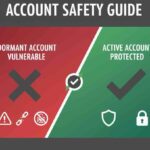 Reviewing your bank statements regularly and reporting lost cards immediately are your most powerful weapons against fraud. When you catch unauthorized transactions early, you’re already ahead of most fraudsters. Consumer fraud losses exceeded $12.5 billion in 2024, making vigilant account monitoring essential for protecting your financial security.